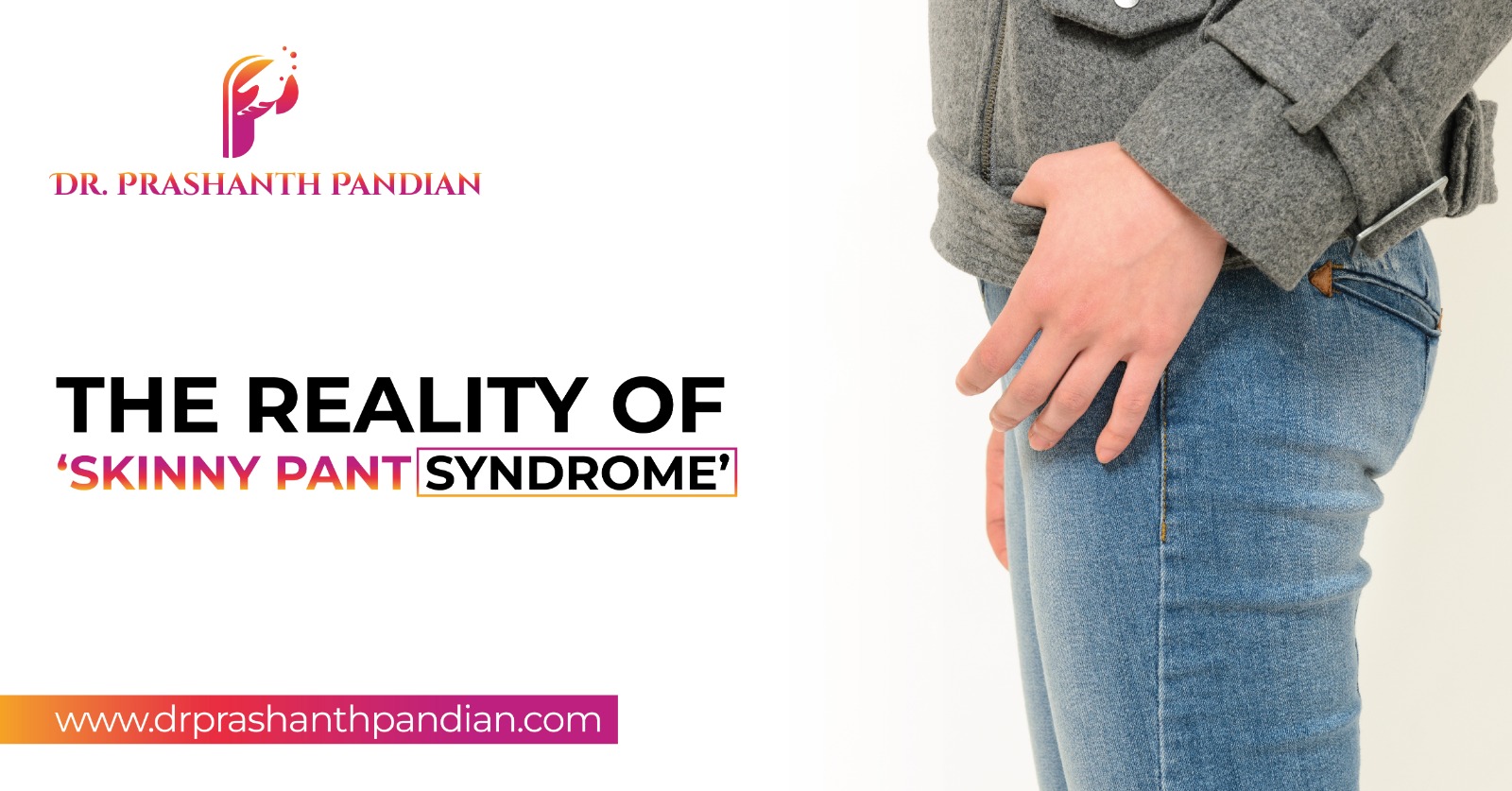

“Skinny Pant Syndrome” is a genuine medical condition formally known as Meralgia Paresthetica. It occurs when the lateral femoral cutaneous nerve- a major nerve running from your pelvis down the front of your thigh-becomes compressed or pinched. Unlike a muscle strain, this is a distinct nerve injury that manifests as numbness, tingling, and a burning sensation in the outer thigh. Historically, this condition was primarily seen in individuals with obesity or those who wore heavy, tight belts that compressed the nerve against the hip bone during prolonged sitting. Today, the condition is increasingly affecting young, healthy adults due to the popularity of tight fashion trends.
The Root of the Problem
The primary cause of this condition is external pressure on the nerve. Tight clothing, such as skinny jeans or constrictive belts, compresses the nerve against the hip bones, disrupting its ability to transmit signals. Additionally, lifestyle factors like prolonged standing or walking can exacerbate the symptoms by stressing the nerve. Weight also plays a significant role; effective weight management helps reduce pressure on the pelvic region, thereby alleviating nerve compression.
Symptoms
Because the pain is referred from the nerve compression at the hip, many people confuse it for a leg muscle issue. Key symptoms include:
- A burning pain on the surface of the outer thigh.
- Tingling or numbness in the area.
- Sensitivity to touch on the thigh skin.
Conservative Treatments and Lifestyle Changes
This condition is often easy to treat with simple changes:
- Wardrobe Adjustments:
The most effective step is often immediate: stop wearing tight clothing. Switching to looser pants or skirts relieves pressure on the nerve, often resulting in significant symptom reduction within weeks.
- Physical Therapy:
Engaging in targeted therapy to strengthen core and lower back muscles can improve posture and reduce strain on the lateral femoral cutaneous nerve.
- Heat and Cold Therapy:
Simple home remedies like applying ice packs or warm compresses can provide immediate relief from pain and muscle tension.
- Rest:
Taking regular breaks from prolonged standing or walking allows the nerve to recover and reduces inflammation.
Medical Interventions
For persistent pain, over-the-counter medications like ibuprofen or acetaminophen can help manage inflammation and discomfort. In more severe cases, corticosteroid injections may be administered to reduce swelling around the nerve. Surgery to decompress the nerve is rare and typically considered only when all other treatments have failed to provide relief.