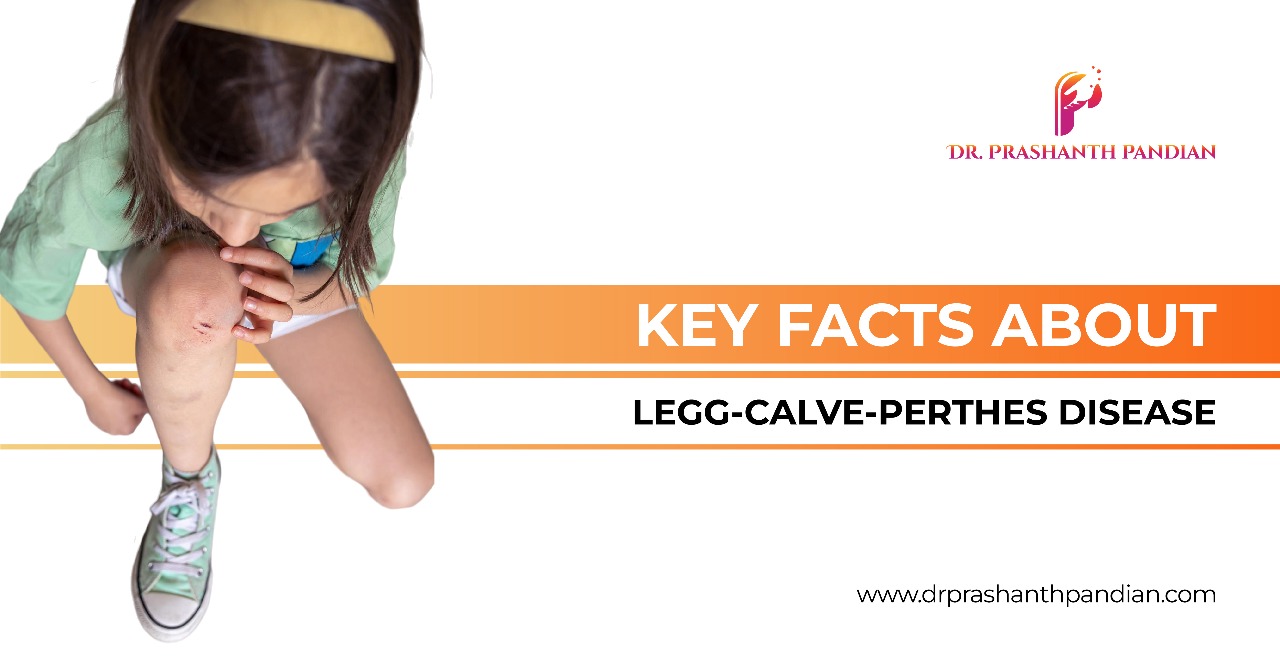

Legg-Calvé-Perthes disease (or simply Perthes disease) is a rare childhood condition that affects the hip joint. It occurs when the blood supply to the head of the femur (the “ball” part of the hip’s ball-and-socket joint) is temporarily cut off.
Without a steady blood supply, the bone tissue lacks oxygen and nutrients, causing it to die and break down. This process is known as avascular necrosis. The disease is most common in children between the ages of 5 and 7, but can affect those as young as 2 or as old as 12, and is about five times more common in boys.
The Stages of Perthes Disease
Perthes disease unfolds in stages over several years.
- Breakdown: After the blood flow is interrupted, the bone in the femoral head weakens and begins to fracture and collapse. This phase can last up to a year.
- Rebuilding: The blood supply eventually returns to the area. The body begins to clear away the dead bone and replace it with new, healthy bone tissue. This rebuilding (or “remodeling”) phase is long, often lasting two to five years.The main concern during this process is the final shape of the femoral head. If it doesn’t regrow into its original round shape, it won’t fit well in the hip socket, which can lead to problems later in life.
Symptoms and Diagnosis
Symptoms of Perthes disease develop slowly. The first and most common sign is a persistent limp, which often appears before any pain begins.
Other symptoms include:
- Hip pain that gets worse with activity.
- Referred pain, where the pain is felt in the knee or thigh instead of the hip.
- Back stiffness or leg cramps.
- Limited range of motion in the hip.
- Muscle atrophy, causing one thigh or buttock to look noticeably smaller.
A healthcare provider will perform a physical exam and use X-rays to diagnose the condition. X-rays clearly show the stage of the disease and the severity of the bone damage.
Treatment and Outlook
Treatment goals are to manage pain and ensure the femoral head regrows in the correct position. The plan depends heavily on the child’s age and the severity of the disease.
- Conservative Treatment
Younger children (under 7) tend to heal better. Treatment often involves rest, restricting high-impact activities (like running and jumping), and using crutches. Physical therapy is crucial to maintain hip mobility. In some cases, a cast or brace may be used to hold the hip joint in alignment as it heals.
- Surgery
Older children or those with more severe cases are more likely to need surgery. Procedures aim to reshape the bone or the hip socket to create a better fit.
While the recovery process takes several years, most children return to their normal activities with no long-term complications. The greatest risk for those with a poorly-fitted joint after healing is developing osteoarthritis later in life.