
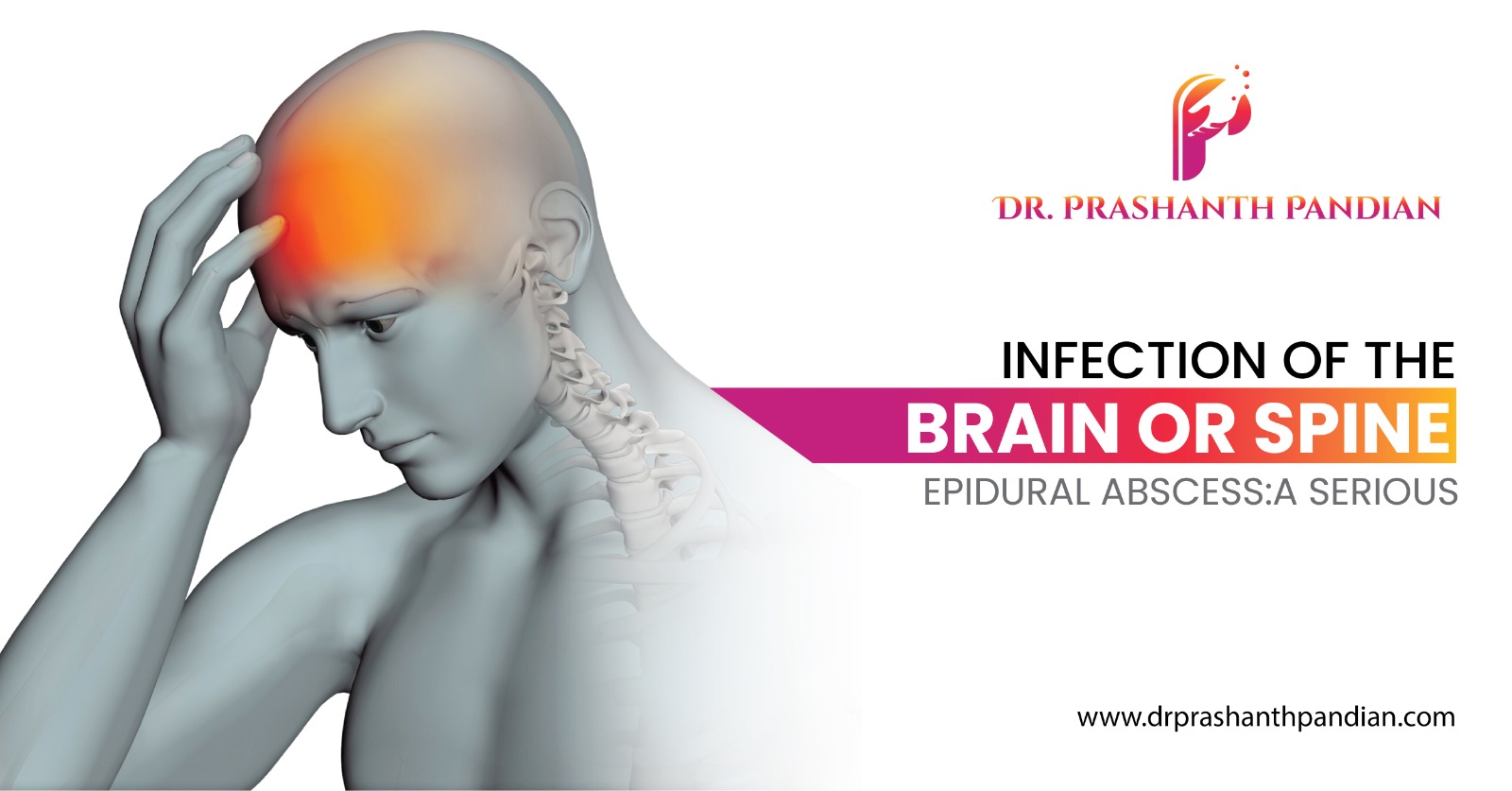

An epidural abscess is a rare but life-threatening infection that develops in the epidural space, the area between the protective covering of the brain and spinal cord (dura mater) and the bones of the skull or spine. The infection causes pus to accumulate, leading to swelling, severe pain, and sometimes nerve compression. Prompt diagnosis and treatment are critical to prevent permanent damage or death.
Types of Epidural Abscess
Epidural abscesses are categorized based on where they occur:
- Spinal Epidural Abscess: Found along the spine; this type is more common.
- Intracranial Epidural Abscess: Occurs inside the skull, near the brain.
Both types can disrupt the nervous system’s functioning and require immediate medical attention.
Symptoms
- Spinal Epidural Abscess:
Common signs include severe back pain, fever, chills, nausea, and swelling at the site. As the infection progresses, patients may experience weakness or paralysis, loss of bladder or bowel control, or numbness in the lower body.
- Intracranial Epidural Abscess:
Symptoms may involve headache, facial swelling, fever, drowsiness, light sensitivity, double vision, or drainage from the nose.
Causes:
Most cases result from bacterial infection, though fungi or parasites may also be responsible. The infection can start after surgery, sinus or ear infections, osteomyelitis, or trauma, and may spread through the bloodstream.
Risk Factors and Complications
People with weakened immune systems, diabetes, kidney failure, or substance use disorders face higher risk. Without timely treatment, complications such as brain injury, paralysis, nerve damage, or spinal cord compression can occur.
Diagnosis
Doctors diagnose epidural abscesses through physical examination, medical history review, and imaging tests, particularly MRI scans, which reveal the abscess location. Blood tests and tissue cultures help identify the infecting organism.
Treatment and Recovery
Initial treatment involves broad-spectrum antibiotics, later adjusted based on culture results. Surgical drainage may be required when the abscess compresses the brain or spinal cord. Patients often continue antibiotic therapy for four to six weeks.
Recovery depends on early intervention. Following a healthy lifestyle and completing all prescribed medication are vital to prevent recurrence. Patients should seek urgent medical care if new or worsening symptoms appear after treatment.